
This guide helps you ask useful questions; it does not diagnose mold in a particular home or offer stand-alone mold removal.
How does moisture affect mold risk?
EPA advises drying water-damaged areas and items within 24 to 48 hours to help prevent mold growth.
EPA also notes that mold can grow on wood, drywall, carpet, and furniture that remain wet after flooding.
These timeframes describe a risk, not a promise that an individual property is safe before or unsafe after a particular hour.
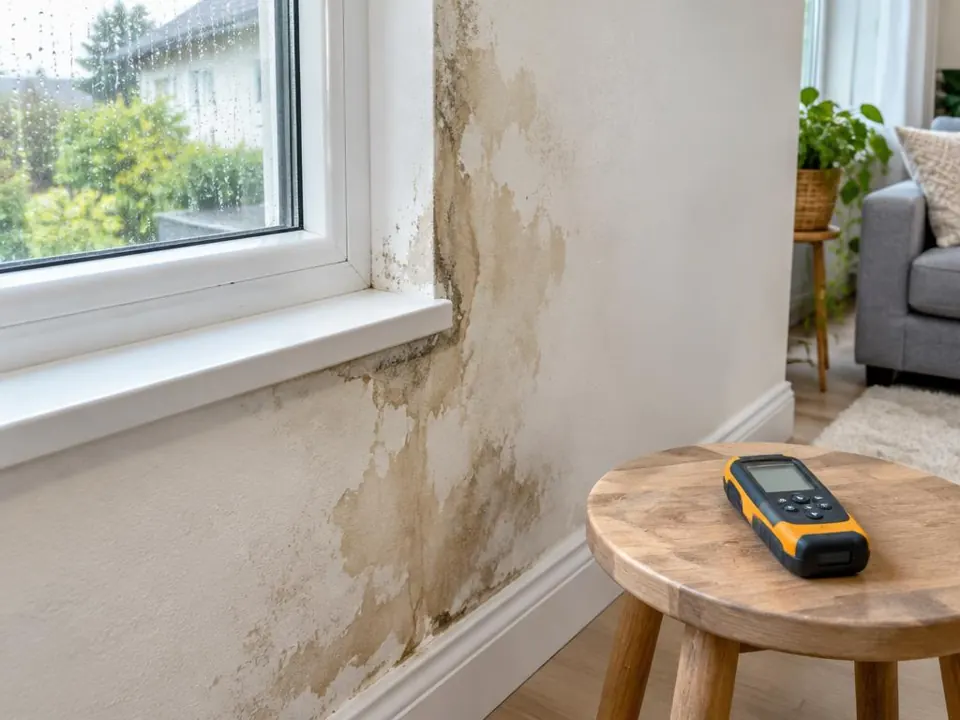
Can a surface appearance settle the question?
Mold can be hidden behind surfaces, and porous material can be difficult to clean once mold is present.
Do not open a wall, disturb an affected area, or enter an area where hazards may be present to check for yourself.
Ask a qualified professional which moisture source and materials need assessment.
When is professional experience especially relevant?
EPA recommends a professional experienced with contaminated-water damage when sewage or other contaminated water caused the damage.
EPA says the size of a mold problem and the extent of water damage also affect who should handle it.
If you have health concerns, consult a health professional rather than treating this article as medical advice.
How does this relate to a water-damage referral?
A referral for water-damage restoration is not a promise that a provider will offer stand-alone mold remediation.
The structural drying guide addresses retained moisture; the flood cleanup guide addresses water that may involve additional hazards.
Sources
- U.S. EPA, A Brief Guide to Mold, Moisture and Your Home (accessed October 8, 2026).
- U.S. EPA, Mold Cleanup in Your Home (accessed October 8, 2026).
- U.S. EPA, Flood Cleanup to Protect Indoor Air and Your Health (accessed October 8, 2026).